




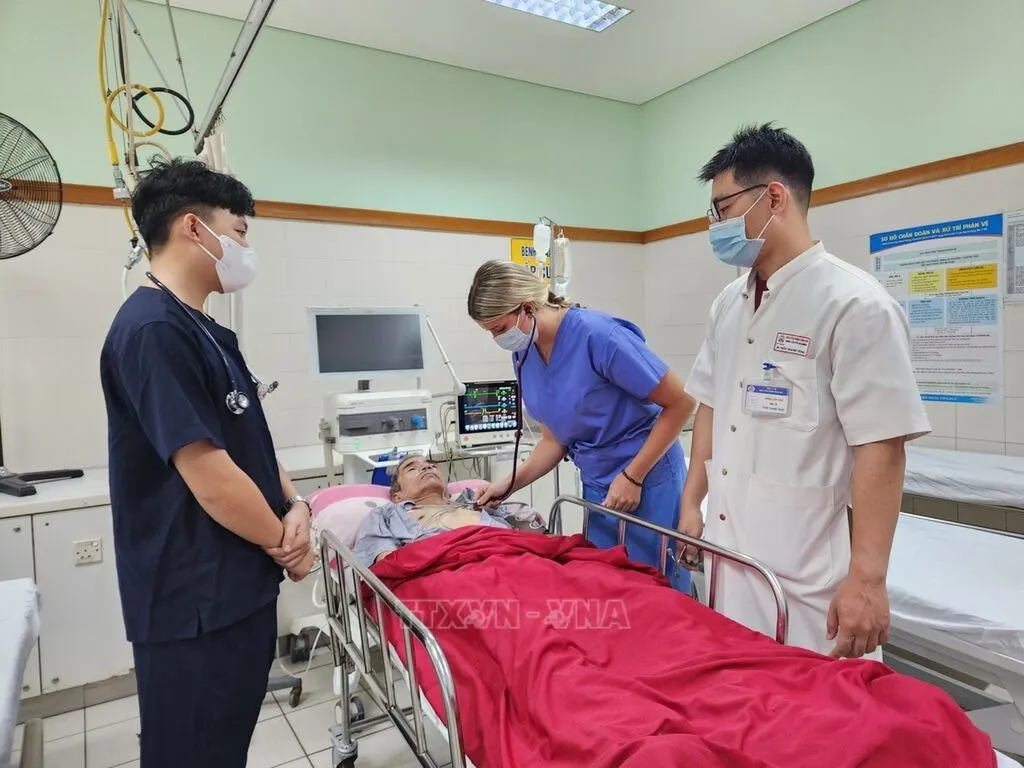
The medical profession demands a combination of expertise, dedication, and continual learning. Dr Le Thu exemplifies these qualities through a career marked by clinical excellence, patient-centered care, and contributions to the broader medical community. By examining measurable outcomes in patient satisfaction, treatment success, and professional impact, her career offers insights into what drives high-quality healthcare delivery.
Why Is Clinical Expertise a Key Indicator of Medical Excellence?
Clinical expertise is one of the most measurable factors influencing patient outcomes. Studies show that physicians with extensive experience and specialized training achieve higher treatment success rates and fewer complications. Dr. Le Thu’s career reflects a commitment to maintaining advanced medical knowledge and skills through ongoing education and practical experience.
Data from healthcare performance metrics suggest that consistent application of clinical expertise correlates with improved patient recovery rates and overall satisfaction. By prioritizing evidence-based practice, Dr. Le Thu ensures that her patients receive safe, effective, and high-quality care.
How Does Patient-Centered Care Impact Treatment Outcomes?
Patient-centered care is increasingly recognized as a critical determinant of healthcare quality. Research shows that physicians who actively involve patients in treatment decisions, communicate clearly, and provide personalized care achieve higher satisfaction scores and better adherence to medical advice. Dr. Le Thu integrates these principles into her practice, fostering trust and collaboration.
Analytical studies indicate that patient engagement improves measurable outcomes such as treatment compliance, reduced readmission rates, and long-term health improvements. By focusing on individualized care, Dr Le Thu enhances both the patient experience and clinical effectiveness.
What Role Do Research and Continuing Education Play in a Physician’s Career?
Continuous learning and research are essential metrics of professional growth in medicine. Physicians who engage in ongoing education and contribute to research initiatives remain at the forefront of medical advancements. Dr. Le Thu’s career highlights the importance of staying current with emerging techniques, treatments, and medical technology.
Statistics demonstrate that doctors who actively pursue professional development achieve better patient outcomes and higher peer recognition. Research involvement also allows practitioners to refine clinical approaches and implement evidence-based innovations in patient care.
Why Teamwork and Collaboration Matter in Modern Healthcare?
Healthcare delivery is increasingly multidisciplinary, requiring effective collaboration among physicians, nurses, and specialists. Data shows that coordinated care teams improve treatment accuracy, reduce errors, and enhance patient satisfaction. Dr. Le Thu emphasizes collaborative practice, working closely with colleagues to ensure comprehensive care.
Studies suggest that team-based approaches correlate with measurable improvements in operational efficiency and patient outcomes. Collaboration ensures that complex medical cases receive thorough evaluation and that patients benefit from integrated expertise.
How Does Reputation Reflect Professional Impact?
Professional reputation is a measurable outcome influenced by patient satisfaction, peer recognition, and contribution to the medical field. Dr. Le Thu has established a reputation for excellence through consistent clinical success, compassionate care, and professional leadership.
Data indicates that physicians with strong reputations often experience higher patient loyalty, greater referral rates, and enhanced career opportunities. Reputation, therefore, serves as both a qualitative and quantitative indicator of professional achievement.
What Do Career Trends Suggest About the Future of Medical Practice?
Current healthcare trends emphasize evidence-based care, patient engagement, and technological integration. Physicians like Dr. Le Thu, who balance clinical expertise with continuous learning and patient-centered approaches, are well-positioned to adapt to evolving demands. Analytics on treatment outcomes, patient feedback, and operational efficiency help guide modern medical practice.
Monitoring these measurable factors ensures that healthcare delivery continues to improve while maintaining high standards of excellence. Physicians committed to these principles can achieve both professional success and significant positive impact on patient health.
In conclusion, Dr Le Thu career illustrates how clinical expertise, patient-centered care, research, and collaboration contribute to medical excellence. By focusing on measurable outcomes and professional development, she demonstrates a model for modern physicians striving to deliver safe, effective, and compassionate healthcare. Her work highlights the importance of combining skill, empathy, and data-driven practice in achieving lasting impact in the medical field.
 Raymond Hall