

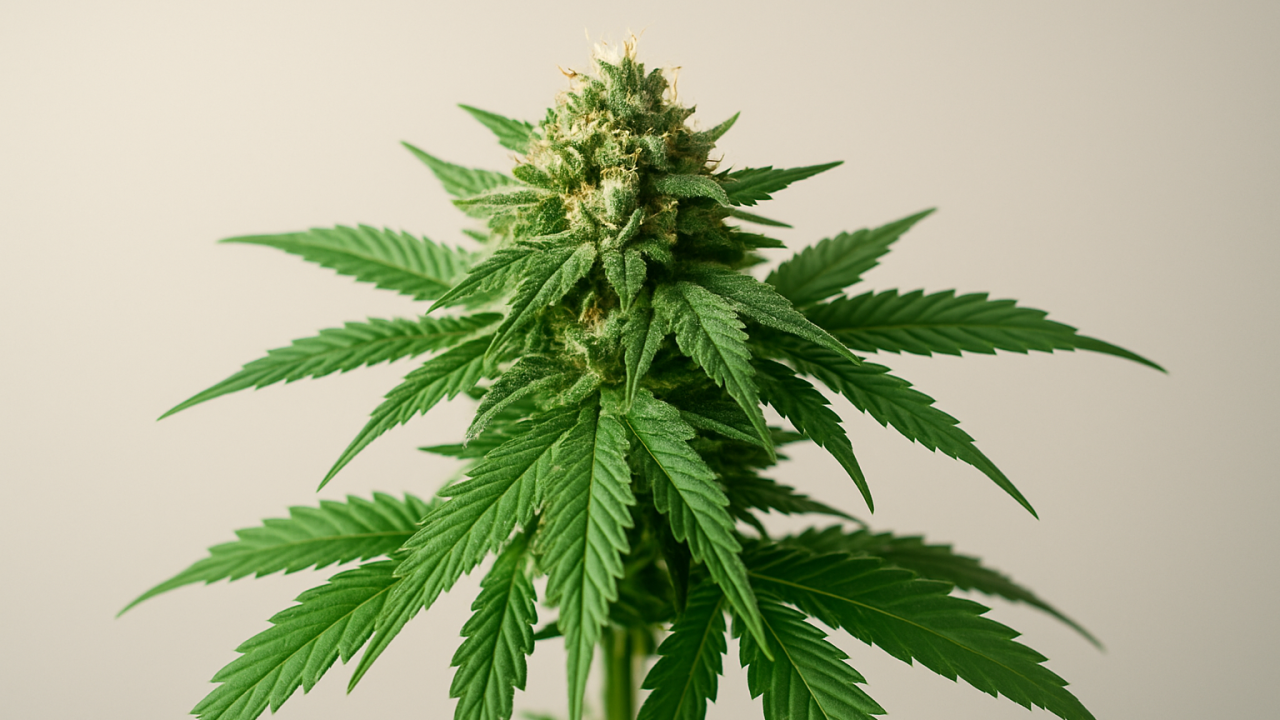



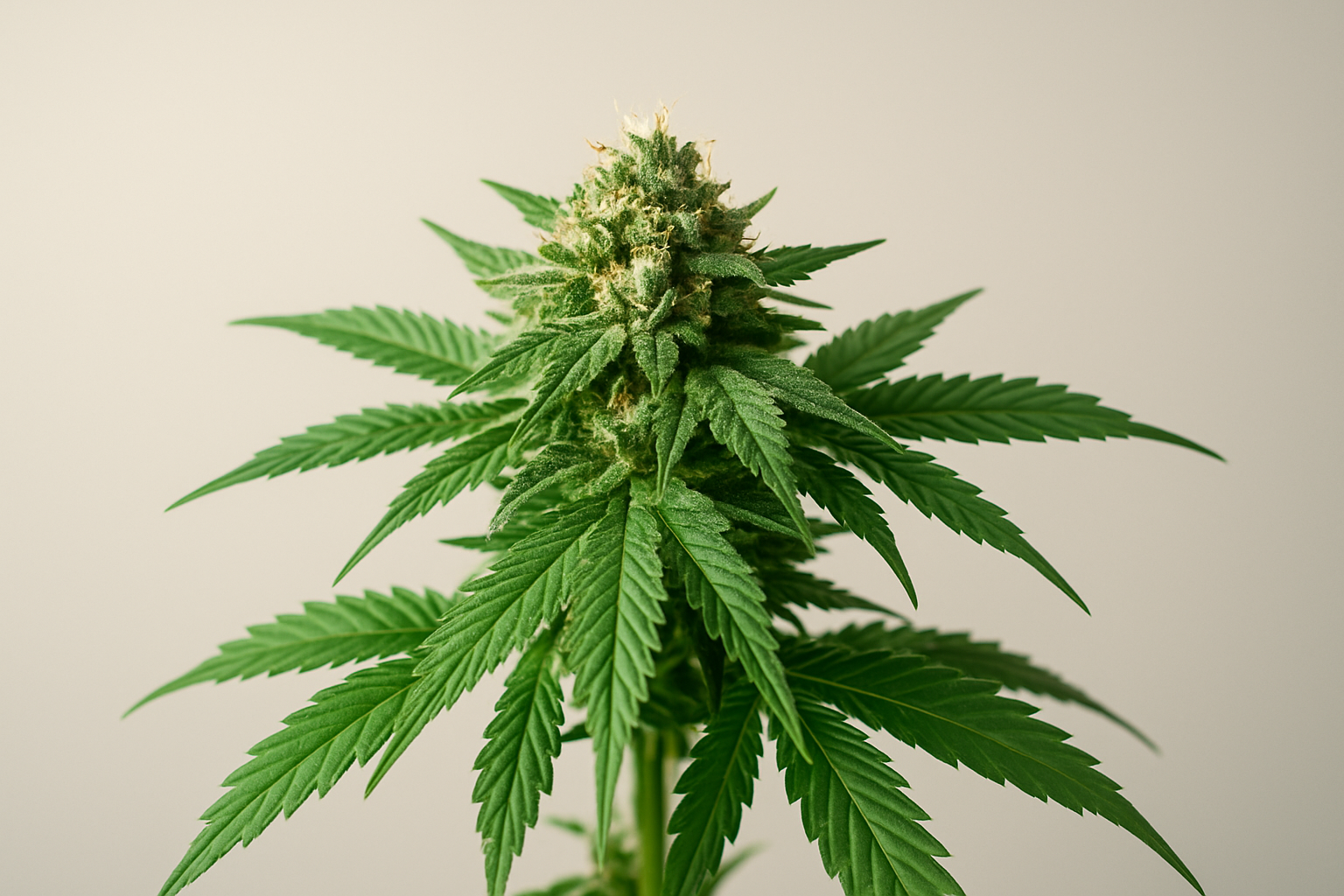
Understanding cannabis categories can give new shoppers a useful foundation before they explore individual cultivars and products. The traditional Sativa vs Indica comparison is commonly used to describe broad differences in cannabis genetics and plant characteristics. However, today’s market extends well beyond these two familiar terms, with hybrids, cannabinoid profiles, terpene combinations, and multiple product formats contributing to an increasingly diverse selection.
Jump To
- What Is the Traditional Sativa Profile?
- What Is Traditionally Associated With Indica?
- How Do These Categories Help When Shopping?
- Why Is the Cultivar Name Important?
- How Do Cannabinoids Add Useful Information?
- What Can Terpene Information Reveal?
- How Does Flower Appearance Differ?
- Why Are Hybrids Important in Today’s Market?
- Does Product Format Change the Way Categories Appear?
- What Should New Shoppers Compare?
- How Can Cannabis Knowledge Develop Over Time?
- Conclusion
What Is the Traditional Sativa Profile?
Sativa has traditionally been associated with cannabis plants that develop a taller and more open structure. Narrow leaves, longer branches, and greater vertical growth are commonly connected with this classification.
These characteristics can be especially noticeable during cultivation. Sativa-associated genetics may also have longer flowering periods, although individual cultivars can vary according to their specific genetic makeup and growing environment.
What Is Traditionally Associated With Indica?
Indica is generally linked with shorter cannabis plants that feature broader leaves and a more compact structure. Dense branching and relatively close growth patterns are among the characteristics traditionally associated with indica genetics.
These traits have made indica-associated varieties recognizable within cannabis cultivation. As with sativa, individual cultivars can display different characteristics depending on genetics and environmental conditions.
How Do These Categories Help When Shopping?
Traditional categories can make a large selection easier to approach. A shopper may first encounter a product identified as sativa, indica, or hybrid and then explore the more detailed information provided for that specific variety.
This creates a simple pathway from general classification to individual product characteristics without requiring extensive botanical knowledge at the beginning.
Why Is the Cultivar Name Important?
The cultivar name identifies a particular cultivated variety and can provide more precise information than a broad category. Each cultivar may have its own genetic background, appearance, aroma, flavor, and chemical profile.
This is particularly relevant in modern cannabis, where extensive breeding has produced varieties with combinations of traditional characteristics.
How Do Cannabinoids Add Useful Information?
Cannabinoids provide measurable information about cannabis composition. THC and CBD are two of the most widely recognized cannabinoids and may be listed prominently in product descriptions.
Their concentrations can differ from one cultivar to another, even when the products share the same traditional classification. Reviewing these values gives shoppers another way to understand individual products.
What Can Terpene Information Reveal?
Terpenes are aromatic compounds that contribute to the characteristic scent and flavor of cannabis. A cultivar’s terpene combination can create a distinctive sensory profile.
Some varieties may feature citrus or fruity notes, while others can present earthy, floral, pine, herbal, or spicy characteristics. This diversity means aroma and flavor can vary substantially within both sativa and indica categories.
How Does Flower Appearance Differ?
Cannabis flower can vary in shape, density, color, size, and trichome coverage. Traditional genetics may influence these physical characteristics, but modern hybrids create considerable variation.
Indica-associated genetics are often connected with denser flower structures, while sativa-associated genetics may produce more elongated forms. Cultivation and post-harvest practices can further shape the final appearance.
Why Are Hybrids Important in Today’s Market?
Hybrid genetics have expanded cannabis variety by bringing together traits from different lineages. Some hybrids may display characteristics that lean toward sativa, while others may show stronger indica-associated features.
Balanced combinations are also possible. This broad genetic spectrum gives shoppers more variety than a simple two-category system would suggest.
Does Product Format Change the Way Categories Appear?
Traditional classifications can appear across many cannabis formats. Flower and pre-rolls may identify the underlying cultivar, while concentrates can provide information about their source genetics and cannabinoid composition.
Other cannabis products may focus more heavily on cannabinoid amounts, ingredients, serving information, or terpene characteristics. The relevance of each detail depends on the format being explored.
What Should New Shoppers Compare?
A complete comparison can include the traditional category, cultivar name, cannabinoid content, terpene profile, aroma, flavor, appearance, and product format.
Looking at these characteristics collectively provides more context than relying on one label. It also helps shoppers recognize that cannabis variety exists across a broad spectrum.
How Can Cannabis Knowledge Develop Over Time?
A beginner does not need to understand every term immediately. Learning the basic distinction between sativa, indica, and hybrid provides a starting point. From there, exploring cannabinoids, terpenes, genetics, and product descriptions can gradually build a stronger understanding.
This step-by-step approach can make the cannabis market easier to navigate while highlighting the unique characteristics of individual cultivars.
Conclusion
Sativa and indica remain valuable traditional terms for introducing the broad diversity of cannabis. Sativa is generally associated with taller growth and narrower leaves, while indica is traditionally linked with compact structures and broader foliage. Modern hybrid genetics have expanded these characteristics into a much wider range of cultivars and products. By considering category labels alongside genetics, cannabinoids, terpenes, appearance, aroma, and product format, new shoppers can develop a well-rounded understanding of cannabis variety and make product exploration more informative.
What You Need to Know
- The traditional Sativa vs Indica comparison describes broad differences in cannabis genetics and plant characteristics.
- Sativa plants typically feature a taller structure, narrow leaves, and longer flowering periods, while Indica plants are recognized for their shorter stature and broader leaves.
- Hybrid cannabis varieties combine traits from both Sativa and Indica lineages, offering shoppers a broader range of options.
- Cannabinoids like THC and CBD play a crucial role in determining the composition of cannabis products, with varying concentrations across different cultivars.
- Terpenes contribute to the aroma and flavor of cannabis, resulting in diverse sensory profiles within both Sativa and Indica categories.
- New shoppers are encouraged to compare traditional classifications with cultivar names, cannabinoid content, and terpenes for a more comprehensive understanding of cannabis.
 Matthew Young