



Kratom is a supplement that can make people feel energetic or relaxed. Before you try it, be aware that several government agencies have warned against its use. The U.S. Food and Drug Administration (FDA) says kratom can be addictive. The U.S. Drug Enforcement Administration (DEA) states kratom can provoke psychological and physiological dependence. Many concerns about kratom are raised because kratom for sleep is believed to act on opioid receptors in the brain. Some research suggests that continued use of kratom can cause withdrawal symptoms, just like opioids.
What Is Kratom?
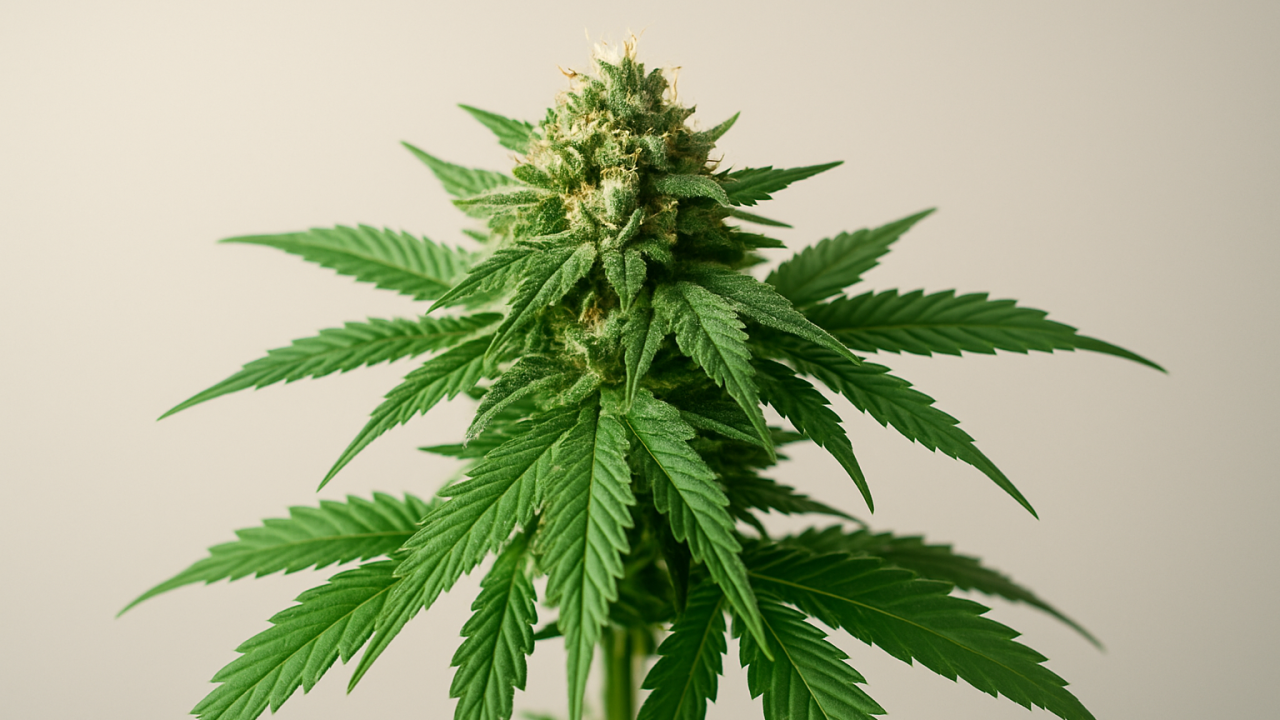
Kratom is a plant that is also known as Mitragyna speciosa, which is produced in many places in Thailand, Malaysia, and Indonesia. The leaves are parched and utilized as a tea or in tablets sold as a dietary complement. You can discover kratom leaves, powders, and tablets at health food stores, e-cigarette stores, and online thing stocks. Standard uses of kratom possess pain relief, sadness, and opioid addiction. The two most active compounds found in kratom, mitragynine and 7-hydroxy mitragynine, act on opioid receptors but have fewer side effects.
What Does Kratom Do?
Research into what kratom does to the body in the short and long term is still ongoing. So far, scientists have observed that kratom can affect your body in a number of ways, depending on:
- Concentration and potency
- Drug formulation
- How you take it
- Any other medications you have taken
- Any medical conditions you have
- How you touched it when you took it, and more.
Why Do People Use Kratom?
There are many reasons why people turn to kratom products for self-medication, but to be clear, the DEA emphasizes that there is “no legal medical use” of kratom in the United States. The National Institute on Drug Enforcement Administration (NIDA) reports that research is underway to explore its potential benefits. Still, so far, NIDA states students have not discovered kratom to be “safe and effective.” Pain control because kratom interacts with opioid receptors in the brain, some individuals utilize it to reduce pain. Kratom for sleep is often noticed as a genuine choice of opioids. Relieve withdrawal symptoms from opioids, Anxiety and Depression.
Bottom Line:
There are safer, medically tested alternatives to address the conditions that are often associated with kratom use. Talk to your healthcare provider about what the power piece is for you. The self-medicating with kratom is not worth the risk, given the health problems involved.
 Raymond Hall