





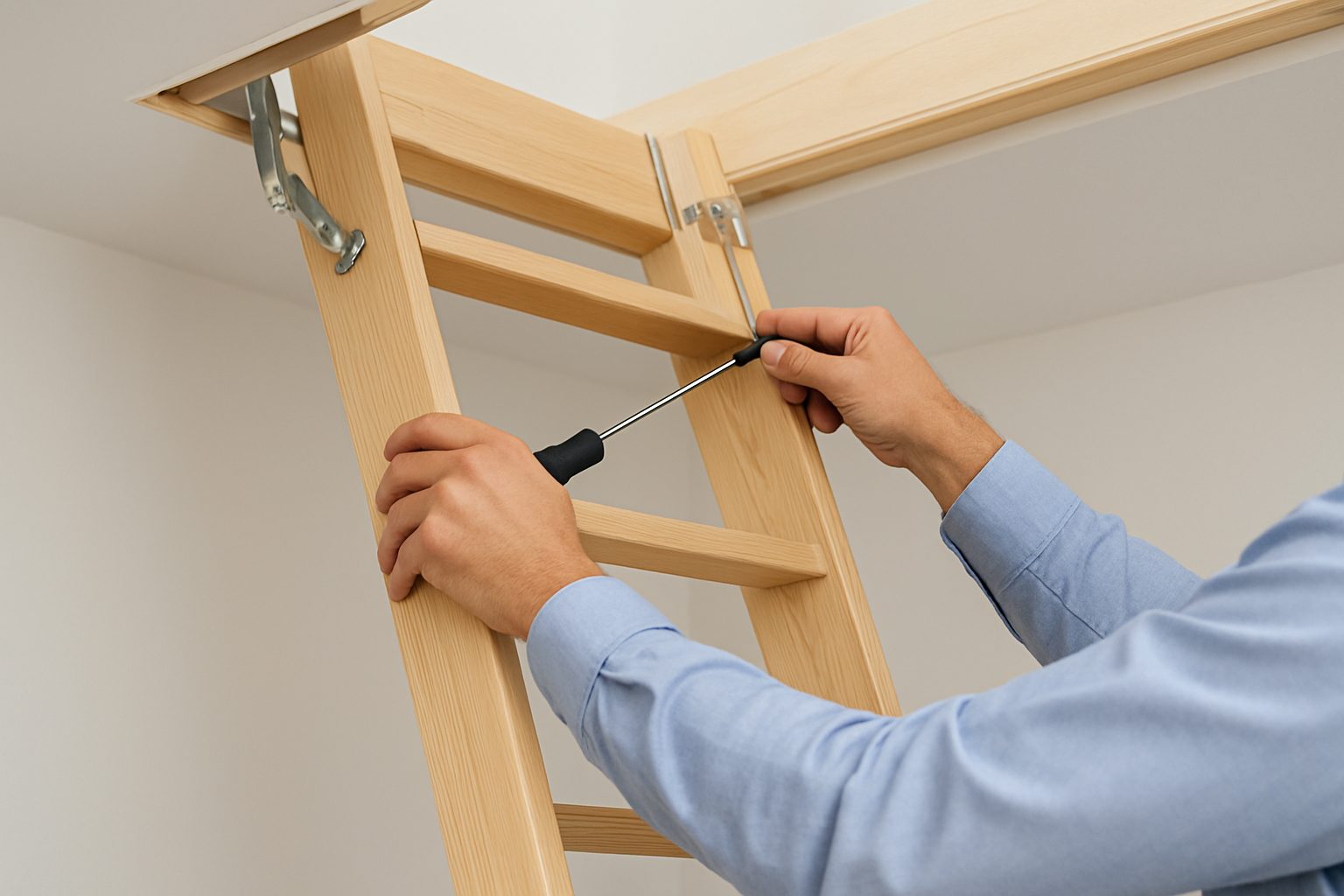
When planning a loft conversion or simply improving access to your attic, hiring a professional installer makes a significant difference. Many homeowners underestimate the complexity involved—structural assessments, load calculations, and precise fitting all play a role. Understanding loft ladders and the installation process helps you make informed decisions, avoid costly mistakes, and get the most out of your investment.
What Does Professional Installation Actually Involve?
Professional installation is far more than bolting a ladder to a hatch. A qualified installer will assess your ceiling height, floor joists, hatch size, and the frequency with which the space will be accessed. They’ll recommend the right ladder type—telescopic, concertina, or sliding—based on your staircase angle, available headroom, and load-bearing requirements.
Most installations take between two and four hours for a standard fitting. More complex setups, particularly those requiring structural modifications to the hatch opening, can take a full day.
How Many Homeowners Are Upgrading Their Loft Access?
Loft conversions have surged in popularity across the UK and US alike. According to data from the Federation of Master Builders, loft conversions remain one of the top home improvement projects, with demand rising steadily year over year. A properly installed loft ladder is the foundation of a safe, functional loft space.
Studies also suggest that adding usable loft storage can increase a home’s perceived value by up to 20%, making professional installation a worthwhile upfront cost.
What Are the Most Common Questions Homeowners Ask Before Installation?
How long does installation take?
Standard installations typically take two to four hours. Installations requiring hatch enlargement or joist reinforcement may take longer.
Do I need planning permission?
In most cases, replacing or installing a loft ladder does not require planning permission. However, if structural changes are involved, it’s worth confirming with your local authority.
What type of ladder is best for my home?
This depends on your ceiling height, hatch size, and how often you’ll use the space. Concertina ladders suit tight spaces, while sliding ladders work better for higher ceilings and frequent use.
Is professional installation worth the cost?
Yes. Incorrect installation can result in structural damage, safety hazards, and voided warranties. Professional fitting ensures compliance with building standards and gives you peace of mind.
What materials are available?
Most ladders come in timber, aluminum, or steel. Timber offers a traditional aesthetic, aluminum is lightweight and durable, and steel suits heavy-duty applications.
Will I need to prepare my home before the installer arrives?
Clear the area beneath the hatch and ensure easy access to the landing or room above. Remove any stored items from the loft directly above the hatch opening.
What safety standards apply to loft ladder installation?
In the UK, loft ladders should conform to BS EN 14975, which covers safety requirements for dimensions, load capacity, and slip resistance. Professional installers are familiar with these standards.
Can the hatch size be changed during installation?
Yes. Many professional installers offer hatch enlargement as part of their service, particularly when the existing opening is too narrow for comfortable access.
What is the typical cost of professional installation?
Costs vary based on location and complexity, but most standard installations range from £150 to £400 in the UK, including labour and materials.
How do I maintain my loft ladder after installation?
Inspect hinges and locking mechanisms every six months. Lubricate moving parts annually and check for any signs of wear on the treads. Professional installers will often provide a maintenance checklist at the end of the job.
Making the Right Choice From the Start
Professional installation provides more than convenience—it delivers structural integrity, safety compliance, and longevity. Whether you’re accessing a storage loft once a month or converting the space into a habitable room, the quality of the installation sets the tone for everything that follows. Getting it right the first time is always the smarter investment.
 Matthew Young