





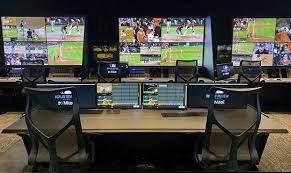
Sports broadcasting has revolutionized the way fans experience games. From local basketball leagues to international tournaments, broadcast technology has become the next-best-thing to sitting in the stadium itself. Advanced cameras, expert commentary, and real-time updates create a viewing experience so immersive that every viewer feels like they’re right there on the field, cheering alongside the crowd.
This blog explores the incredible benefits of Sports broadcast (스포츠중계) and how they bring the excitement, emotion, and energy of sports directly to your home.
Experience Unmatched Accessibility
One primary benefit of sports broadcasting is accessibility. It bridges the gap between the fans and the stadium, ensuring no one misses out on the action.
Regardless of geographical location, viewers have the chance to follow their favorite teams or athletes without the need for costly flights or long drives. It eliminates barriers for international fans as well. If you’re a supporter of a team from another country, sports broadcasts make it possible to stay connected effortlessly.
Additionally, sports broadcasts ensure inclusivity for fans who may have physical limitations or difficulty attending games in person. By providing everyone with a front-row viewing experience, broadcasting ensures no fan is left behind.
Enhanced Visual Experience
Broadcasting has taken the art of viewing sports to an entirely new level with high-definition visuals, multiple camera angles, and slow-motion replays.
Sports telecasts allow viewers to watch key moments from various perspectives, enhancing their understanding and appreciation of the game. The introduction of 4K and 8K resolution cameras further elevate the visual experience, ensuring even the smallest details, from expressions to plays, are visible with crystal clarity.
Better visuals mean a deeper connection to the game. Feeling every tackle, seeing bats connect with pitches, or witnessing a goal from multiple views makes the viewing experience incredibly dynamic.
Real-Time Statistics and Analytics
One of the most appreciated features of modern sports broadcasting is the inclusion of real-time statistics and analytics. Screens are now populated with game stats, historical comparisons, player performance metrics, and even predictive insights.
These advanced analytics help viewers get a deeper understanding of player strengths and weaknesses, game outcomes, and strategic decisions. Fans become more knowledgeable about the game and can engage in discussions with more context.
This feature also doubles as a learning tool, especially for amateur players and coaches who are looking to draw insights from professional-level games.
Expert Commentary Adds Context
Broadcast commentary does much more than narrate live action. Professional analysts, commentators, and former players add valuable context to the game, offering unique insights that are not immediately apparent to viewers.
They break down strategies, share anecdotes from their careers, and highlight tactical decisions in real time. This not only informs but also entertains viewers, creating an engaging experience for people with differing knowledge levels.
From first-time viewers to seasoned sports enthusiasts, expert commentary ensures that no one feels lost at any point during the broadcast.
The Atmosphere Comes Home
Broadcasting doesn’t just show the game; it captures the atmosphere. Through microphones placed across the stadium and crowd shots, the electric energy of the live event is transmitted directly to your living space.
Whether it’s the roar of the crowd after a winning goal or chants thundering through the stands, sports broadcasts preserve the emotion and passion of live games. Fans watching from home feel like they’re among thousands of others in the stadium, sharing the highs and lows of every moment.
 Raymond Hall